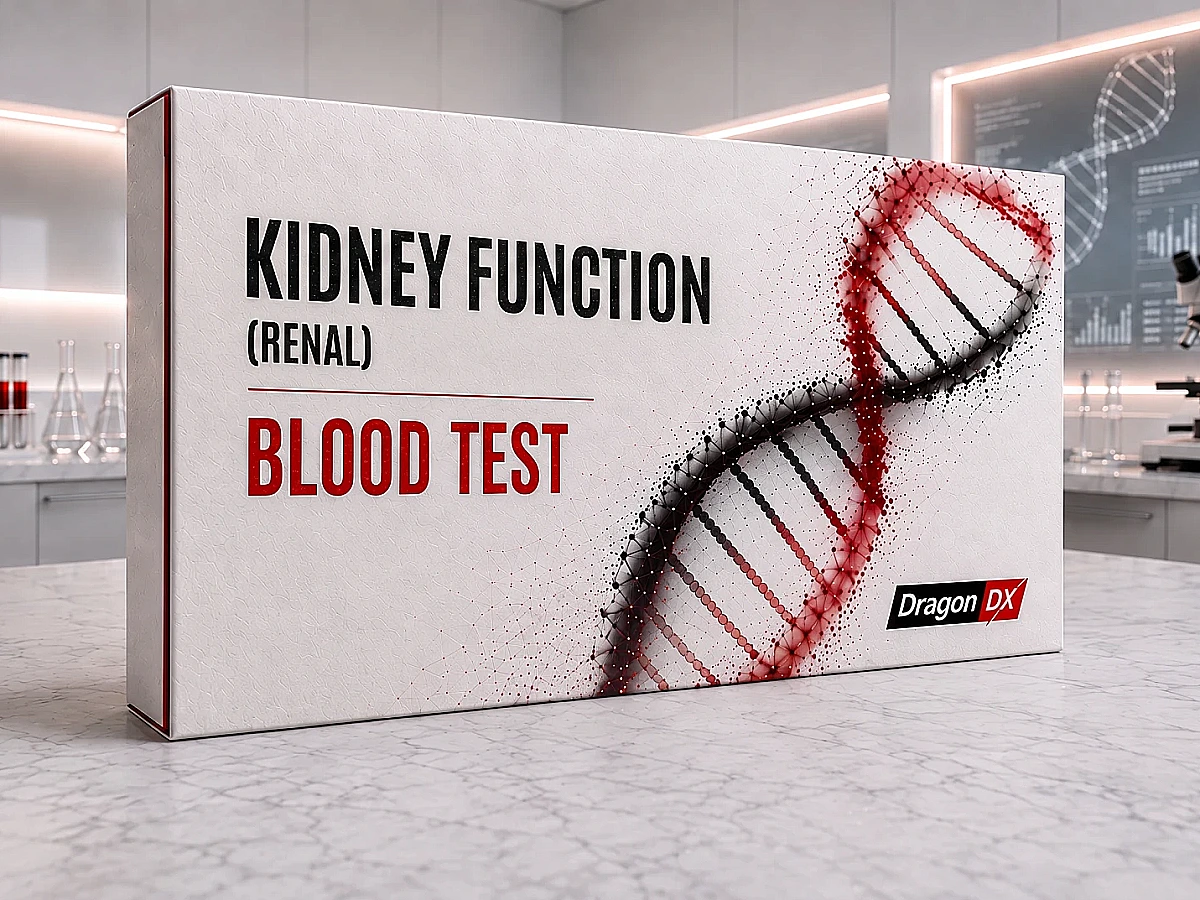
Estimated glomerular filtration rate: calculated kidney function from creatinine and demographics.
What it is
Reported in mL/min/1.73 m². Higher values are often reassuring when urine findings are also normal; staging chronic kidney disease needs confirmed, persistent reduction plus other clinical criteria.
eGFR estimates glomerular filtration from creatinine (and demographics) using equations such as CKD-EPI. Reported in mL/min/1.73 m². It is a screening and staging aid, not a direct measurement like inulin clearance.
Why it matters
eGFR is an estimate: extreme muscle mass, pregnancy, acute illness, and recent meat-heavy meals can make it less reliable. Discuss results with a clinician; one opportunistic low eGFR after a race is not an instant CKD label.
This guide is educational only and cannot diagnose you. Discuss results, especially anything outside your laboratory’s reference interval, or that does not match how you feel, with a GP or other appropriately qualified clinician.
How it affects the body
GFR reflects how much blood the glomeruli filter. Waste, drug dosing, and fluid/electrolyte balance depend on adequate filtration.
Glomeruli filter ~100–120 mL/min in health. Waste clearance, electrolyte balance, and dosing of many drugs depend on adequate GFR.
For athletes
Re-test hydrated, off acute NSAIDs if possible (with prescriber advice), and away from extreme race recovery when assessing baseline kidney health in athletes.
Recheck eGFR away from acute race recovery, extreme meat loads, and NSAIDs when assessing baseline kidney health.