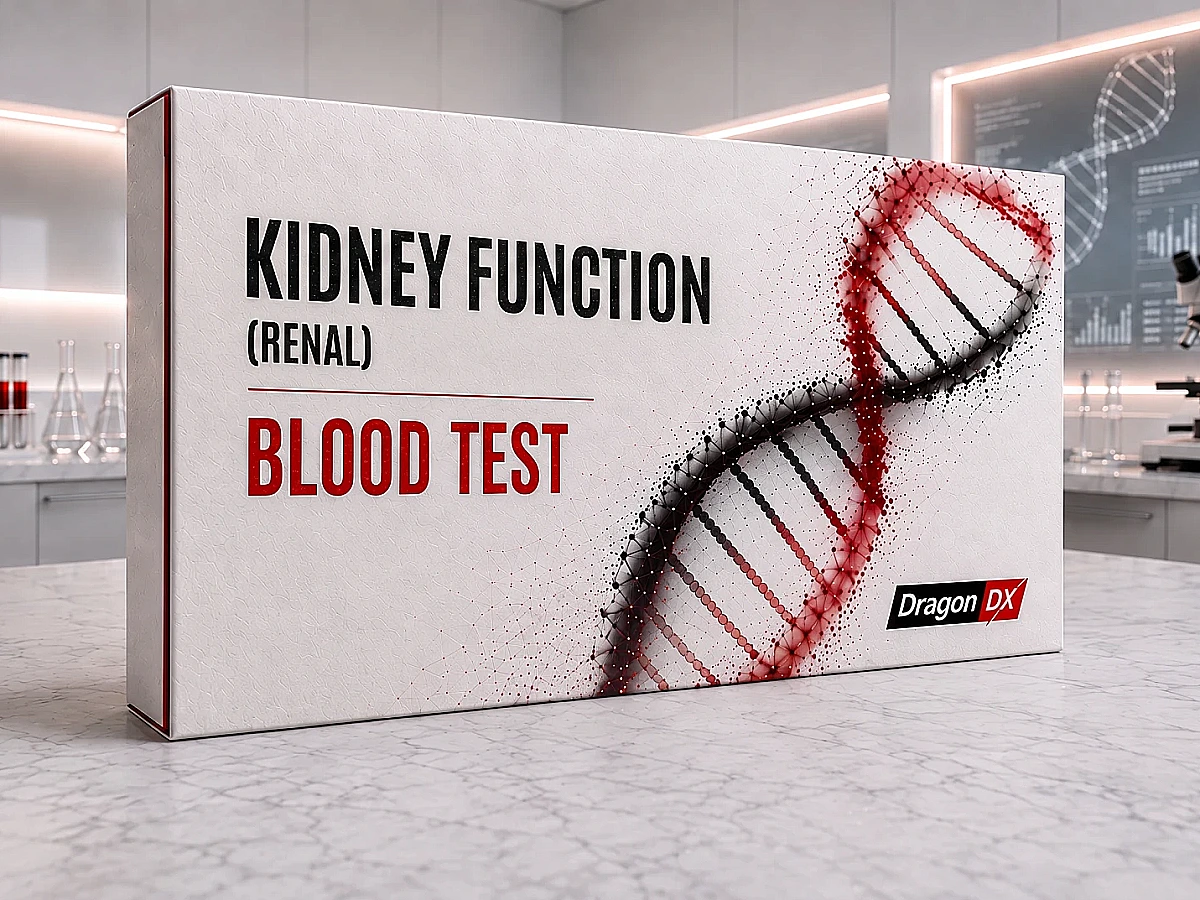
Waste from protein metabolism; rises with reduced kidney filtration or dehydration.
What it is
Serum urea in mmol/L (UK reporting). Read with creatinine and eGFR.
Urea is synthesised in the liver from ammonia generated by amino-acid breakdown. Kidneys excrete it. UK serum urea is in mmol/L and is always read with creatinine.
Why it matters
Urea rises with lower kidney filtration, high protein intake, gastrointestinal bleed, catabolism, or dehydration. A high-protein athlete diet can lift urea without primary kidney disease: context matters.
This guide is educational only and cannot diagnose you. Discuss results, especially anything outside your laboratory’s reference interval, or that does not match how you feel, with a GP or other appropriately qualified clinician.
How it affects the body
Urea is filtered by glomeruli and partly reabsorbed. It contributes to the medullary osmotic gradient that concentrates urine.
The urea cycle detoxifies ammonia. Urea contributes to the kidney’s concentrating gradient. Blood urea rises when filtration falls or when protein catabolism/bleed increases supply.
For athletes
High-protein fueled athletes often run higher urea; dehydration before morning bloods exaggerates it. Falling eGFR or rising creatinine alongside urea is more concerning than urea alone.
High-protein diets and dehydration lift urea. Creatine supplements mainly affect creatinine, not urea. Kidney symptoms or rising creatinine need medical review regardless of sport.