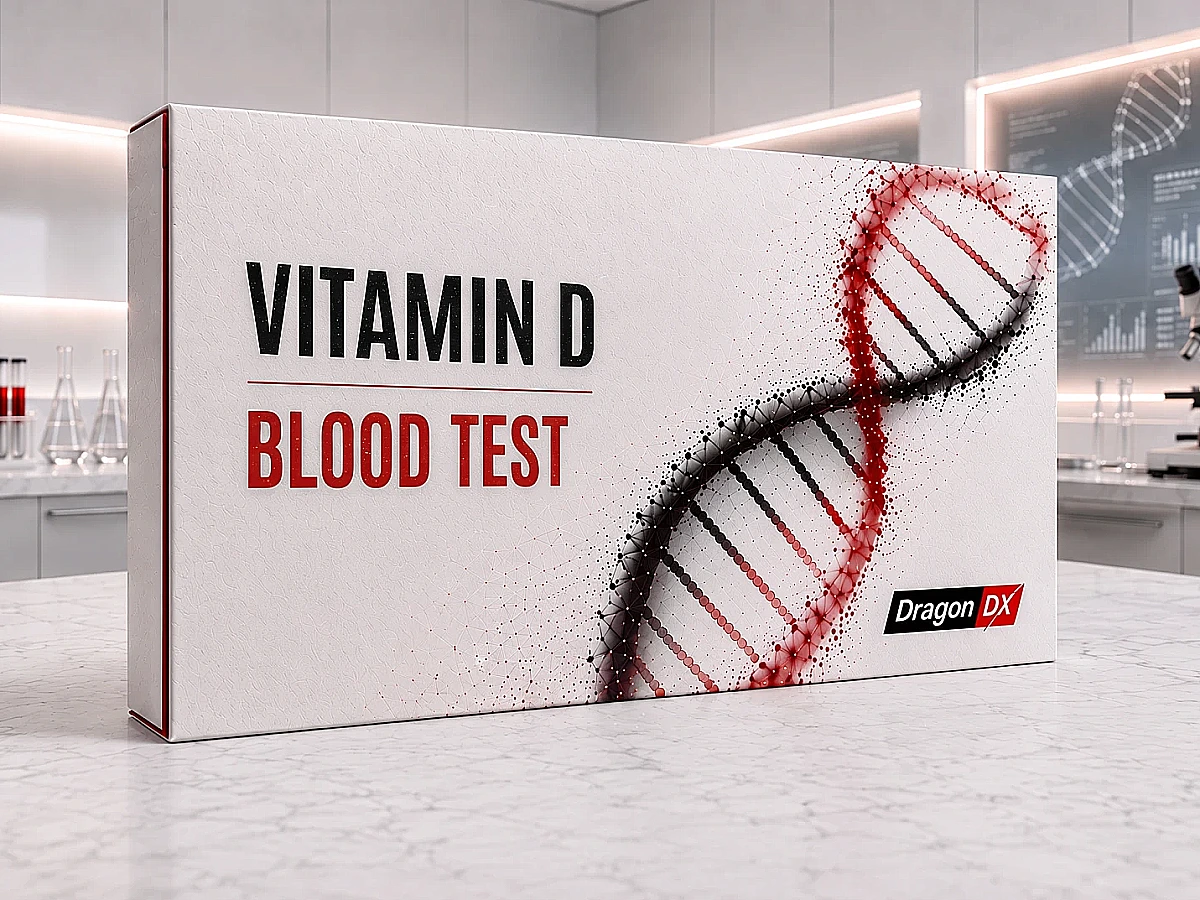
25-hydroxy vitamin D: status marker for bone, muscle, and immune context.
What it is
25-OH vitamin D in nmol/L. UK guidance commonly treats <25 nmol/L as deficient and 25–50 as insufficient, with ≥50 generally sufficient for most people.
25-hydroxyvitamin D is the storage form used to assess status. Skin synthesis from UVB, oily fish, fortified foods, and supplements contribute. UK winters and indoor lifestyles make insufficiency common.
Why it matters
Supplementation advice should consider diet, season, skin cover, latitude, and medical history. Excess vitamin D can raise calcium: more is not always better.
This guide is educational only and cannot diagnose you. Discuss results, especially anything outside your laboratory’s reference interval, or that does not match how you feel, with a GP or other appropriately qualified clinician.
How it affects the body
Vitamin D supports intestinal calcium absorption and bone mineralisation; receptors exist in muscle and immune cells, which is why research interest is broad: evidence for athletic performance benefits is mixed.
Active vitamin D (calcitriol) increases gut calcium and phosphate absorption and signals in bone and immune cells. Severe deficiency causes osteomalacia/rickets; milder insufficiency contributes to bone and muscle symptom pathways.
For athletes
Indoor athletes, high-latitude winters, and covered kit increase deficiency risk. Recheck after supervised supplementation rather than year-round megadosing without calcium monitoring.
Indoor gym sports, high kit coverage, and northern latitude raise deficiency risk. Replete under guidance, then maintain: megadosing without calcium checks risks hypercalcaemia.